High Blood Pressure (Hypertension) | What you must know
 Yinka Okunlola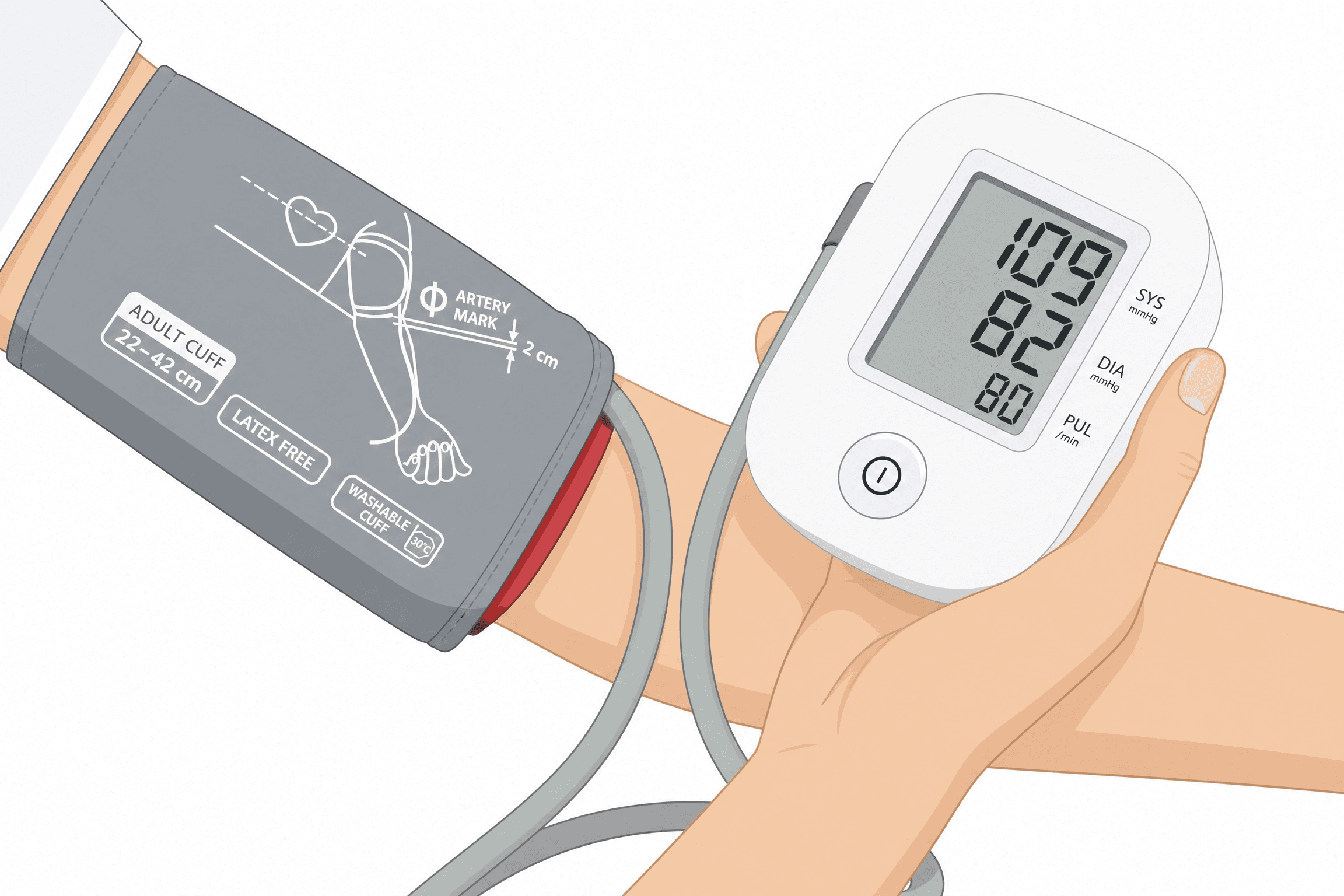
High Blood Pressure (HBP) also known as Hypertension, is a long-term medical condition in which the blood pressure in the arteries is persistently elevated.It is a clinical condition which serve as a risk factor for cardiovascular disease like myocardial infarction, coronary heart disease and can lead to more severe complications as in stroke and death. Blood pressure is the force created as the heart pumps blood through the blood vessels. It is the pressure that blood exerts on the walls of the arteries. The pressure depends on the work being done by the heart and the resistance of the blood vessels. Everyone needs blood pressure to survive but when the pressure goes beyond the prescribed normal range, an individual is diagnosed as having High Blood Pressure. Measurement of blood pressure consist of two numbers such as 120/80. The first number refers to the systolic pressure and the second is the diastolic pressure. This numbers or digits define the heart in its pumping and resting states.
Systolic pressure is the first number which measures the force while the heart is in its pumping stage. A normal healthy systolic blood pressure is 120mmHg or below.
Diastolic pressure is the second number which measures the force when the heart is at the resting stage that is in between heart pumps. A normal healthy diastolic blood pressure is 80mmHg or below.
While diastolic pressure stays at about the same level at all time, the systolic blood changes frequently. This variation in systolic pressure can be due to daily activities and the body’s response to physical and mental stress. For example, if your blood pressure is normally 122/80 mmHg, at work it can increase to 140/80mmHg due to stress. Blood Pressure varies from person to person, even one area of the body to another. But if your blood pressure stays high you should talk to your doctor about it. Hypertension forces the heart to work far beyond its capacity along with injuring blood vessels or even damage to organs like brain, eyes and kidneys. Many people who have high blood pressure don’t realize they have it. It is often called “the silent killer” because it rarely causes signs or symptoms, and if left untreated, it can lead to serious problem and damage to the heart and related organs.
Test for High Blood Pressure
Kindly check yourself for possible by Answering YES or NO to the following statements.
Lifestyle You have irregular working hours You are constantly under a lot of stress You do not have much physical activity at work or at home You have a sedentary work activity
Eating Habit You are fond of salty, fried or sweet food You have more than two alcoholic drinks each day You usually have more than two cups of coffee or other caffeinated beverages each day
Personal and family history You smoke You are between 30-50 years of age You have a close blood relative who suffers from high blood pressure, heart disease or stroke
Medical history Your cholesterol level is over 200mg/dl You are more than 10% of your ideal weight It has been more than a year since you had your blood pressure checked.
Note; the more times you answer “YES” to the above statements the greater your risk of developing High Blood Pressure.
Diagnosis of High Blood Pressure
Practical diagnosis of high blood pressure is done with the aid of a clinical device known as Sphygmomanometer, which consists of a stethoscope, arm cuff, dial, pump, and valve. This procedure is done by a health care provider to measure the pressure at which the heart pumps. Blood pressure is measured in millimeters of mercury (mmHg) and is written systolic over diastolic (for example, 120/80 mm Hg, or "120 over 80"). A standard blood pressure check is done on a regular routine basis and being monitored by your Doctor. It is normal for blood pressure to rise or fall, and this happens due to present emotional or stress status or Heart condition. According to health guidelines, a normal blood pressure is less than 120/80 mm Hg. Elevated blood pressure is 120 to 129 and less than 80. But Hypertension is blood pressure that is greater than 130/80.
Causes
There is no accurate or standard cause of Blood pressure but a number of risk factors below increase the chances of having hypertension.
Diet: consuming a salt-rich diet associated with processed sweet and fatty foods elevate the chances of hypertension.
Age: With age, blood pressure increase steadily as the arteries become stiffer and narrower due to plaque build-up. Through early middle age, or about age 45, high blood pressure is more common in men. Women are more likely to develop high blood pressure after menopause.
Race: High blood pressure is particularly common among blacks, often developing at an earlier age than it does in whites. Serious complications, such as stroke, heart attack and kidney failure, also are more common in blacks.
Size and weight: Being obese or overweight is a key risk factor. Alcohol and tobacco use: Consuming large quantity of alcohol regularly can increase a person's blood pressure, as well as smoking tobacco.
Sex: The risk is the same for males and females, but men are more prone to hypertension at a younger age.
Health conditions: Cardiovascular disease, diabetes, chronic kidney disease, and high cholesterol level increases possibilities of having hypertension, especially as people get older.
Stress: High levels of stress can lead to a temporary increase in blood pressure.
Sedentary Lifestyle: having a work schedule with less physical activity contributes to High blood pressure
Signs and Symptoms
Hypertension is rarely accompanied by signs or symptoms. A person with hypertension may not notice any symptom at all, and it is often silent without being detected. It can cause damage to the cardiovascular system and internal organs, such as the kidneys. Therefore, Regularly checking of your blood pressure is vital, as there will usually be no symptoms to make you aware of the condition. There are two types of high blood pressure.
Primary (essential) hypertension For most adults, there's no identifiable cause of high blood pressure. This type of high blood pressure, called primary (essential) hypertension and it happens to to develop gradually over many years.
Secondary hypertension Some people have high blood pressure caused by an underlying condition. This type of high blood pressure, called secondary hypertension. It tends to appear suddenly and cause higher blood pressure than does primary hypertension. It is mostly caused by conditions like Kidney problems, Thyroid problems, Adrenal gland tumors, or Certain congenital defects in blood vessels.
Complications:
Long-term hypertension can cause complications through;
- Atherosclerosis: formation of plaque of blood vessels causing them to narrow. This makes hypertension worse, as the heart must pump harder to deliver blood to the body.
- Myocardial Infarction (heart attack)
- Heart failure
- Aneurysm: an abnormal bulge in the wall of an artery that can burst, causing severe bleeding and, in some cases, death
- Kidney failure
- Stroke
- _Hypertensive Retinopathies in the eye, which can lead to blindness
- Regular blood pressure testing can help people avoid the more severe complications.
Remedy
High blood pressure can be controlled by both Medicational strategy and lifestyle modification. Treating Hypertension improves the quality of life in patients with this disease. Medications can safely lower high blood pressure. It helps in decreasing the frequency and probability of Stroke, heart failure and incidence of further complications. there are six main classes of medication used for lowering blood pressure, viz: Diuretics, Beta-blockers, Calcium channel blockers, ACE inhibitors, Angiotensin II Receptor blockers (ARBS) and Alpha blockers. All drugs have indications and contraindications, so they have to be prescribed and monitor by your Doctor. In regards to whatever treatment or therapy you take, it is also important to maintain a healthy lifestyle. It's time you've got to know that the more you take care of your HEART the BETTER condition it will be... STAY HEALTHY
References:
- https://en.wikipedia.org/wiki/Hypertension
- https://www.healthline.com/health/high-blood-pressure-hypertension
- https://www.mayoclinic.org/diseases-conditions/high-blood-pressure/symptoms-causes/syc-20373410
- https://www.medicalnewstoday.com/articles/150109.php
Thank you for reading through, if you find this article good and interesting kindly appreciate by making UPVOTE-RESTEEM-COMMENT and FOLLOW…… Best Regards!!!
_
More on the same pillars
Immunity
Myocardiac Infarction (Part 1)
IMMUNIZATION | An Effective Therapy for Infectious Diseases
Autoimmunity and Autoimmune Diseases
WHY DO WE SLEEP?
Are You Living A Healthy Lifestyle?