Autoimmunity and Autoimmune Diseases
 Yinka Okunlola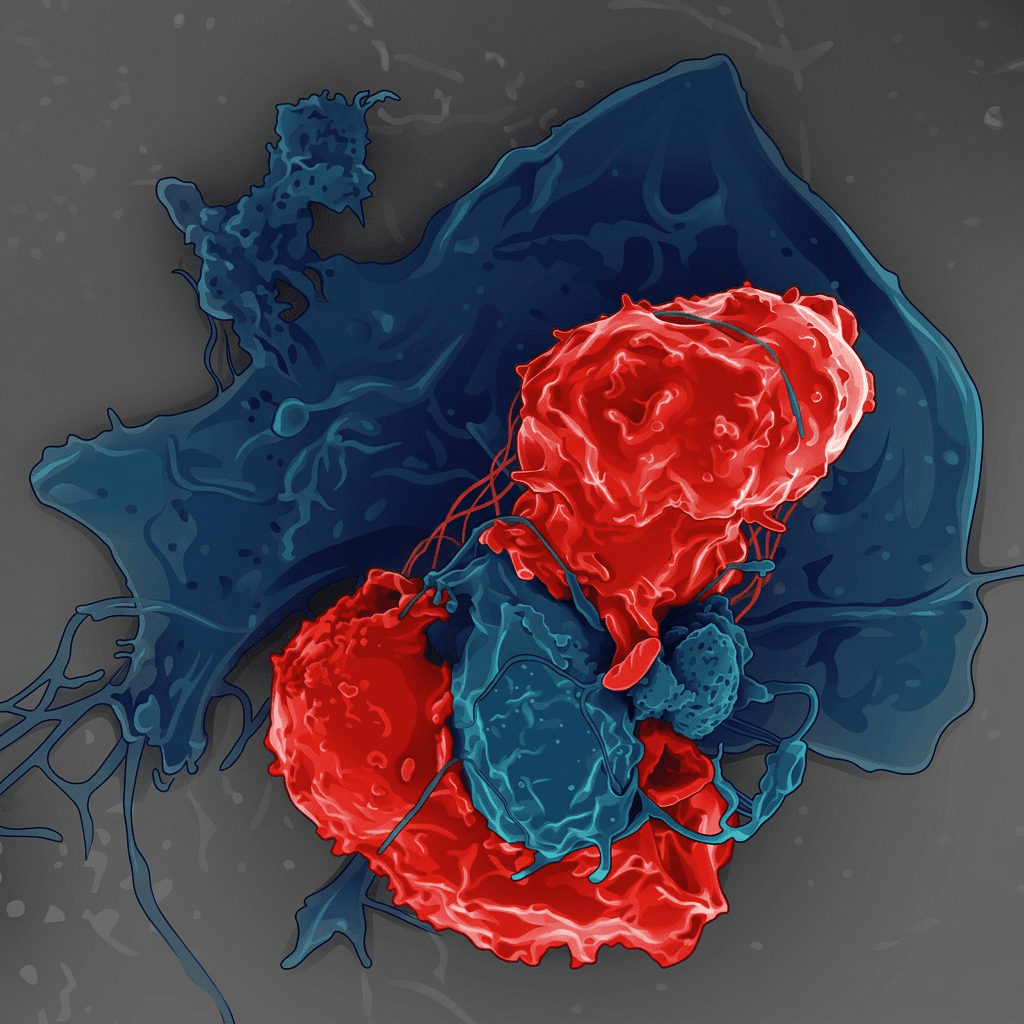
The body is facilitated with agents that defend it against foreign invasion (immunity). At times, these defensive agents go rogue and violent thereby attacking self tissues. An autoimmune disease is a condition in which your immune system mistakenly attacks your body. The immune system normally guards against germs like bacteria and viruses. When it senses these foreign invaders, it sends out an army of fighter cells to attack them. Normally, the immune system can tell the difference between foreign cells and your own cells although the molecules might look alike. In an autoimmune disease, the immune system mistakes part of your body — like your joints or skin — as foreign. It releases proteins called autoantibodies that attack healthy cells. There are at least 80 types of autoimmune diseases and nearly any body part of the body can be involved.
Review of the Concept of Immunity
I explained the concept of Immunity in one of my post titled [Immunity | The Body’s Special Forces of Defense, but for comfort I will tolerate making a brief review of what Immunity is about. Immunity is the capability of multicellular organism to resist harmful microorganism from entering it. Immunity involves both specific and nonspecific components. The nonspecific components act as barriers or eliminators of a wide range of pathogens irrespective of their antigenic make-up. Other components of the immune system adapt themselves to each new disease encountered and are able to generate pathogens-specific immunity. The induction of immune responses requires critical interaction between innate parts of the immune system, which respond rapidly and in a relatively nonspecific manner, and other specific parts, which recognize particular epitopes on an antigen.
A critical element in this interaction is the role played by dendritic cells (DCs), which represent "professional antigen-presenting cells." DCs endocytose and process antigen to peptide presented on the cell surface in association with major histocompatibility complex (MHC) molecules. This presentation results in interaction with and stimulation of helper T lymphocytes, which recognize peptide in association with either MHC class II or cytotoxic T lymphocytes, which recognize peptide in association with MHC class I. Stimulation of helper T lymphocytes produces the growth and differentiation factors (cytokines) essential for the B lymphocytes that have responded to a more intact form of the antigen and that differentiate into antibody-producing cells. The precise interaction between the cells depends on cognate ligand-receptor recognition between the B and helper T lymphocytes. DCs also play a direct role with the stimulation of the B lymphocytes. It appears that DC can deliver antigen to the B lymphocytes in a more intact form than the processed form essential for stimulating T lymphocytes, and can release cytokines that assist the differentiation of the B lymphocytes into antibody-producing cells. This close relationship among the three cell types and the cytokines that are produced ensures the precise control and regulation necessary for immune response development. Now to the main business:
History;
Until the twentieth century, it was believed that the immune system was unable to react against the body's own tissues. The classic studies of Paul Ehrlich at the turn of the 20th century, laid the foundation for our current notions of the concept of autoimmunity. Ehrlich used the term autoimmunity to signify an immune response against self and introduced the concept of horror autotoxicus. he later adjusted his theory to recognize the possibility of autoimmune tissue attacks, but believed certain innate protection mechanisms would prevent the autoimmune response from becoming pathological. Over the years, autoimmunity has been recognized as not uncommon and not necessarily detrimental. Thus, an important distinction must be drawn between autoimmunity, which may be asymptomatic, and autoimmune disease, which occurs when autoimmunity leads to an inflammatory response, resulting in tissue injury. An autoimmune response does not necessarily imply the existence of autoimmune disease.
Autoimmunity and Autoimmune Disease
Autoimmunity is the system of immune responses of an organism against its own healthy cells and tissues. Any disease that results from such an aberrant immune response is termed an “Autoimmune Diseases”. Autoimmune disease is defined as a condition in which the immune system mistakenly attacks body’s own cells and tissues. Normally, an antigen induces the immune response in the body. The condition in which the immune system fails to give response to an antigen is called tolerance. This is true with respect to body’s own antigens that are called self antigens or autoantigens. Normally, body has the tolerance against self antigen.
However, in some occasions, the tolerance fails or becomes incomplete against self antigen. This state is called autoimmunity and it leads to the activation of T lymphocytes or production of autoantibodies from B lymphocytes. The T lymphocytes (cytotoxic T cells) or autoantibodies attack the body’s normal cells whose surface contains the self antigen or autoantigen. Thus, the autoimmune disease is produced when body’s normal tolerance decreases and the immune system fails to recognize the body’s own tissues as ‘self’. For a disease to be regarded as an autoimmune disease it needs to answer to Witebsky's postulates (first formulated by Ernest Witebsky and colleagues in 1957 and modified in 1994): - Direct evidence from transfer of disease-causing antibody or disease-causing T lymphocyte white blood cells - Indirect evidence based on reproduction of the autoimmune disease in experimental animals - Circumstantial evidence from clinical clues - Genetic evidence suggesting "clustering" with other autoimmune diseases
Autoimmune diseases are frequently categorized into two classes as either organ specific or systemic.
Organ specific diseases which affect only one organ include: - Diabetes Mellitus type 1: In type 1 Diabetes mellitus, the immune system attacks and destroys insulin-producing cells in the pancreas. The pancreas produces the hormone insulin, which helps regulate blood sugar levels. High blood sugar can damage blood vessels, as well as organs like the heart, kidneys, eyes, and nerves. - Graves' disease: Graves’ disease thyroid gland in the neck, causing it to produce too much of its hormones. Thyroid hormones control the body’s energy usage, or metabolism. Having too much of these hormones revs up your body’s activities, causing symptoms like nervousness, a fast heartbeat, heat intolerance, and weight loss. - Hashimoto's thyroiditis : In Hashimoto’s thyroiditis, thyroid hormone production slows. Symptoms include weight gain, sensitivity to cold, fatigue, hair loss, and swelling of the thyroid (goiter). - Multiple sclerosis: Multiple sclerosis (MS) damages the myelin sheath — the protective coating that surrounds nerve cells. Damage to the myelin sheath affects the transmission of messages between your brain and body. This damage can lead to symptoms like numbness, weakness, balance issues, and trouble walking. The disease comes in several forms, which progress at different rates. About 50 percent of people with MS need help walking within 15 years after getting the disease.
Systemic autoimmune diseases which affect many organs or systems are:
- Rheumatoid arthritis ; In rheumatoid arthritis (RA), the immune system attacks the joints. This attack causes redness, warmth, soreness, and stiffness in the joints.
- Systemic Lupus Erythematodes ; *Although doctors in the 1800s first described lupus as a skin disease because of the rash it produces, it actually affects many organs, including the joints, kidneys, brain, and heart .
- systemic sclerosis (scleroderma); it is characterized by diffuse fibrosis and vascular abnormalities in the skin, joints, and internal organs (especially the esophagus, lower GI tract, lungs, heart, and kidneys).
- polymyositis and dermatomyositis; is an uncommon inflammatory disease that causes muscle weakness affecting both sides of your body. Having this condition can make it difficult to climb stairs, rise from a seated position, lift objects or reach overhead.
Causes of Autoimmunity
Genetic factor Certain individuals are genetically susceptible to developing autoimmune diseases. This susceptibility is associated with multiple genes plus other risk factors. Genetically predisposed individuals do not always develop autoimmune diseases.
Sex A person's sex also seems to have some role in the development of autoimmunity; that is, most autoimmune diseases are sex-related. Women get autoimmune diseases at a rate of about 2 to 1 compared to men Environmental factor Because the incidence of autoimmune diseases is rising, researchers suspect environmental factors like infections and exposures to chemicals or solvents might also be involved.
Leaky Gut The gut is the gateway to health, it houses 80% of your immune system, and you can’t have a healthy immune system without a healthy gut. This means the tight junctions that typically hold your gut lining together have become loose, allowing undigested food particles, microbes, toxins, and more to escape your gut and enter your bloodstream. All of these particles are recognized by your immune system as foreign invaders, sending your immune system into high alert and triggering a huge rise in inflammation it may end up attacking your own tissues by mistake.
Gluten Gluten contributes to autoimmune disease in three key ways. First, it is the primary cause of leaky gut because gluten triggers the release of zonulin in your intestines, a chemical that tells your gut lining to “open up”. Second, it is highly inflammatory, meaning it stresses your immune system. Thirdly, the gluten protein has a similar chemical structure to some of your body’s tissues (specifically your thyroid), which can lead to molecular mimicry, where your body mistakes your tissues for gluten and attacks them.
Toxins Toxic molds (mycotoxins) and heavy metals such as mercury are the two main toxins that contributes to autoimmune conditions. Mycotoxins are very volatile compounds produced by toxic molds that wreak havoc on the immune system. We are exposed to heavy metals like mercury in different ways: mercury amalgam fillings in teeth, fish consumption, and the environment.
Infections Scientists have long suspected that infections from bacteria, viruses, and other toxins were likely to blame for the development of autoimmunity. There are now a number of infections, including Epstein Barr (the virus that causes mono), Herpes Simplex 1 and 2, E. coli, that have been linked to autoimmune diseases.
Stress Stress is the body’s response to a threat–a wound, injury, or infection. Chronic stress (the kind we face in this day andage) leads to long term inflammation that never really shuts off, creating autoimmune disease.
Autoimmune disease Signs and symptoms
Autoimmune diseases have a wide variety of different effects. They do tend to have one of three characteristic pathological effects which characterize them as autoimmune diseases: Damage to or destruction of tissues, Altered organ growth and Altered organ function. The early symptoms of many autoimmune diseases are similar, such as:
- Fatigue
- Low-grade fever
- Trouble concentrating
- Achy muscles
- Hair loss
- Skin rashes
- Swelling and redness
- Tingling in the hands and feet
How is Autoimmune Disease Diagnosed?
Diagnosis of autoimmune disorders largely rests on accurate history and physical examination of the patient, and high index of suspicion against a backdrop of certain abnormalities in routine laboratory tests. The antinuclear antibody test (ANA) is often the first test that doctors use when symptoms suggest an autoimmune disease. A positive test means you likely have one of these diseases, but it won’t confirm exactly which one you have. Other tests look for specific autoantibodies produced in certain autoimmune diseases. Your doctor might also do tests to check for the inflammation these diseases produce in the body. In several systemic disorders, serological assays which can detect specific autoantibodies can be employed. Localised disorders are best diagnosed by immunofluorescence of biopsy specimens. Autoantibodies are used to diagnose many autoimmune diseases. The levels of autoantibodies are measured to determine the progress of the disease.
How are autoimmune diseases treated?
Treatments can’t cure autoimmune diseases, but they can control the overactive immune response and bring down inflammation. They usually improves symptoms they do not typically cure the disease. Drugs used to treat these conditions include: • nonsteroidal anti-inflammatory drugs (NSAIDs) such as ibuprofen (Motrin, Advil) and naproxen (Naprosyn) • immune-suppressing drugs • Intravenous Immunoglobulin may also occasionally be used Treatments are also available to relieve symptoms like pain, swelling, fatigue, and skin rashes. Eating a well-balanced diet and getting regular exercise can also help you feel better.
References
- https://www.healthline.com/health/autoimmune-disorders#causes
- https://en.wikipedia.org/wiki/Autoimmunity
- https://en.wikipedia.org/wiki/Autoimmune\_disease
- https://www.sciencedirect.com/topics/immunology-and-microbiology/autoimmunity
- https://en.wikipedia.org/wiki/Immunity\_(medical)
- https://steemit.com/science/@okunlolayk/immunity-or-the-body-s-special-forces-of-defense
This article was prompted by a question asked by @tamala in my post Immunity | The Body’s Special Forces of Defense Thanks for taking your time to read this article, its fascinating having an audience. if you find this helpful and interesting kindly appreciate by UPVOTE and COMMENT
More on the same pillars
Immunity
Myocardiac Infarction (Part 1)
IMMUNIZATION | An Effective Therapy for Infectious Diseases
High Blood Pressure (Hypertension) | What you must know
Are You At Risk For Heart Attack? | Myocardiac Infarction (Part 2)

WHY DO WE SLEEP?